SmartRoto is one of the most interesting additions to the Nuke ecosystem because it targets a task that VFX artists have always considered necessary but painfully repetitive: rotoscoping. Foundry positions it as an AI-powered roto assistant that works inside Nuke’s familiar spline-based workflow, helping artists propagate shapes across frames and sequences while keeping creative control down to the final
For studios, freelancers, and compositors who spend hours refining masks frame by frame, that is a meaningful shift. Instead of replacing the artist, SmartRoto is designed to reduce the grind so more time goes into decisions, cleanup, and shot polish.
What is SmartRoto?
At its core, SmartRoto takes manual input from a few initial frames and uses that to continue splines through the shot. Foundry describes it as a specialized roto assistant that handles the repetitive parts of the work across frames and sequences, so the artist does not have to rebuild shapes from scratch for every change in pose or camera motion.
That matters because roto work is not just drawing outlines. It usually involves tracking motion, preserving edge fidelity, managing deforming forms, and correcting small errors shot by shot. SmartRoto is meant to speed up that process while still letting the artist edit keyframes and lock in areas that should not be overwritten.
Why this AI based roto tool stands out?
The biggest appeal of SmartRoto is that it fits into an existing Nuke workflow rather than forcing artists to learn a separate system. Foundry says the tool integrates into Nuke’s existing Roto node, which means the spline interface remains familiar and pipeline disruption stays low.
That is a major advantage in production environments, where even a good new tool can fail if it slows delivery or requires a lot of retraining. SmartRoto is positioned as something that respects how artists already work, then adds automation on top of that foundation.
It is also notable that the model is described as running locally, with no data transmission, and trained on licensed data for commercial use. For many teams, those details matter as much as speed because they affect confidentiality, compliance, and trust.
Speed and control
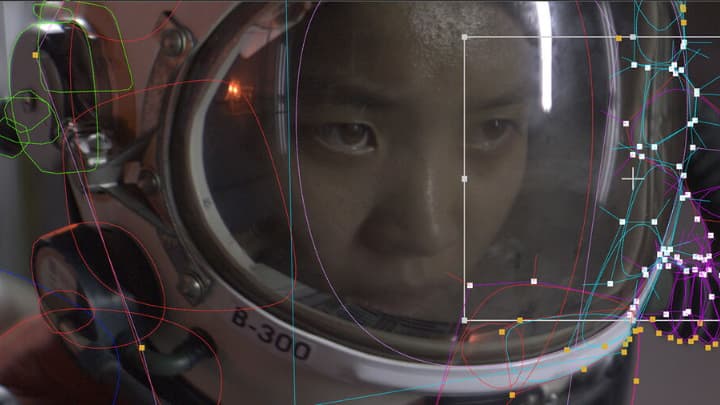
Foundry and launch coverage claim SmartRoto can make roto work up to 4x faster than manual rotoscoping in Nuke. That is a vendor claim, so it should be treated as a performance target rather than a universal guarantee, but it still signals the tool’s direction. The value proposition is not pure automation; it is faster iteration with fewer repetitive redraws.
This balance is important because roto is one of those jobs where full automation often breaks down on difficult motion, motion blur, thin geometry, or changing occlusions. SmartRoto’s advantage is that it still lets artists refine the shapes, adjust sub-pixel details, and continue from corrected keyframes without restarting the shot.
In practice, that means the tool is best seen as an accelerator, not a replacement for judgment. For complex VFX shots, human oversight remains essential.
Compatibility and licensing
Public launch coverage states that SmartRoto is available for Nuke, NukeX, Nuke Studio, and Nuke Indie, and that it is compatible with Nuke 16.1 and later. Foundry also says it is an upgrade to the existing Nuke toolset rather than a separate creative app, which should make adoption easier for teams already inside the Nuke ecosystem.
On licensing, the tool is sold separately from Nuke. Reporting around the launch noted a limited-time introductory price of $499 per license for active Nuke users, with a later increase mentioned in coverage, while Foundry also offered a 90-day trial for a limited period. Pricing can change by region and promotion, so production buyers usually need to verify current terms before planning rollout.
Benefits of SmartRoto of Nuke
SmartRoto is most valuable for roto-heavy teams that handle commercials, episodic work, features, and any project with large volumes of frame-by-frame masking. Artists who already know Nuke should find the learning curve lighter because the tool works with the same spline language they already use.
It is also useful for teams that want to reduce bottlenecks without fully changing their compositing pipeline. If roto is a frequent schedule risk, a tool that shortens repetitive work can directly improve turnaround and artist morale.
For solo creators and smaller studios, the appeal is similar, though the cost-benefit calculation will depend on how often roto appears in their projects. If you only need occasional masks, the tool may feel optional; if roto is constant, it becomes much easier to justify.
Limits and expectations
SmartRoto is promising, but it is not magic. Rotoscoping remains a precision task, and shots with difficult silhouettes, layered motion, reflections, or occlusions will still need manual cleanup and good artistic judgment.
That is why the most accurate way to describe SmartRoto is as a hybrid AI tool. It automates propagation and reduces repetition, but it still depends on the artist to establish the shape language and supervise the result.
For production teams, that is actually a strength. Tools that preserve control tend to survive longer in real pipelines than tools that promise full automation and then fail in edge cases.
Conclusion
SmartRoto matters because it targets a real pain point instead of chasing novelty for its own sake. It brings AI into Nuke in a way that is practical, local, and workflow-aware, which makes it one of the more production-friendly roto tools currently associated with the platform.
If you are writing about VFX software, SmartRoto is best framed as a speed-and-control upgrade for roto artists rather than a complete replacement for the craft. That framing matches both Foundry’s positioning and the way launch coverage describes the tool’s purpose and limits.